December 1, 2024
Carecloud
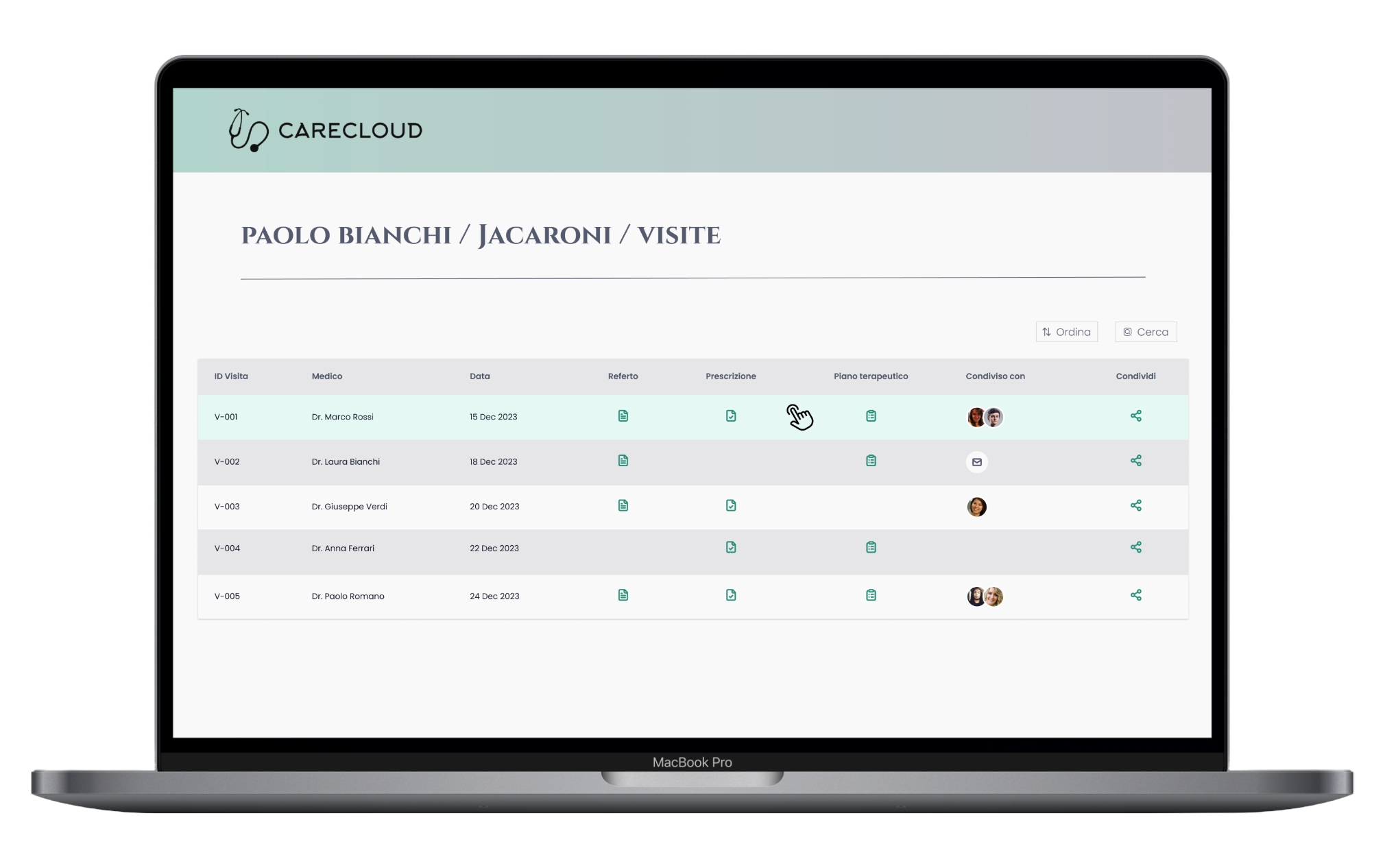
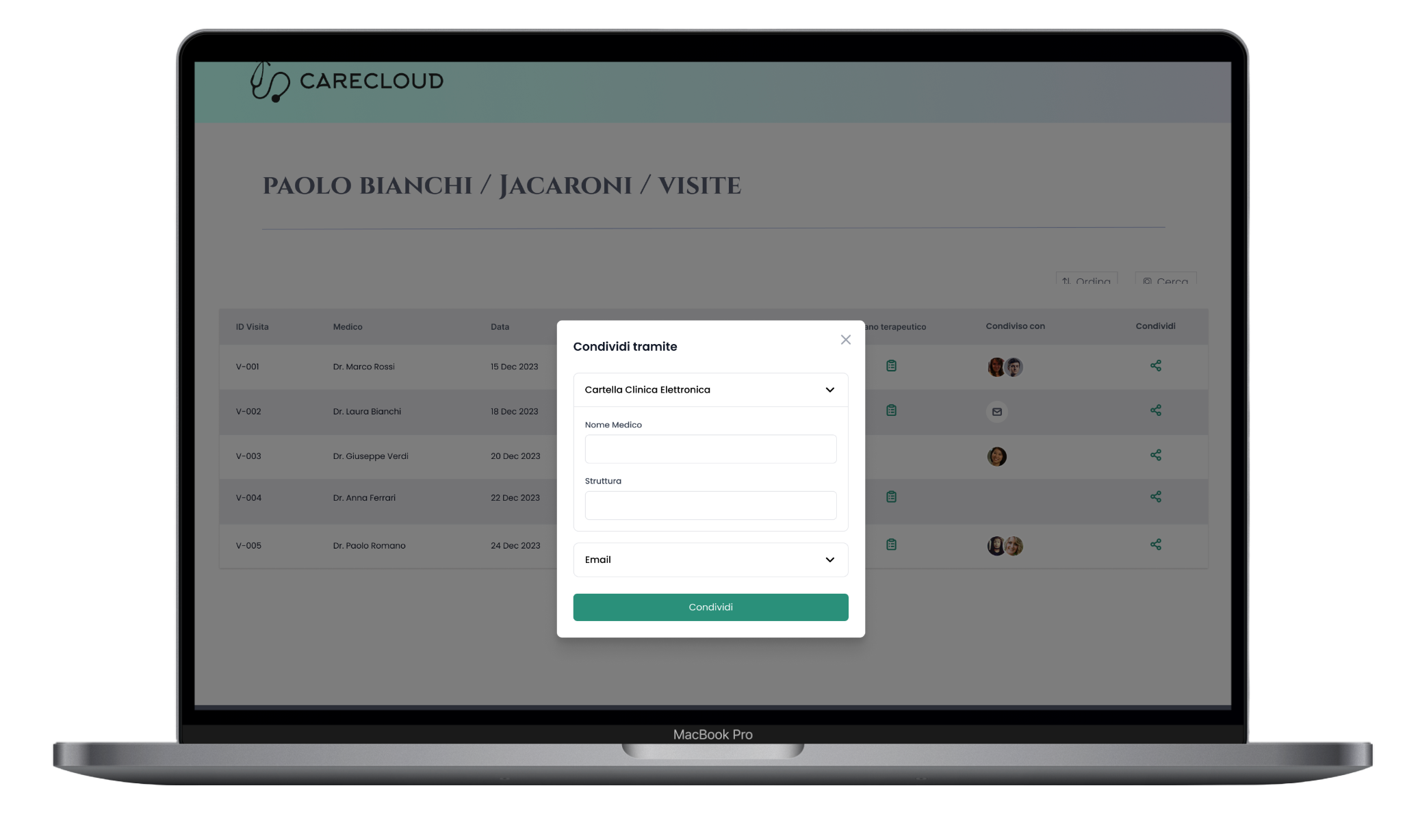
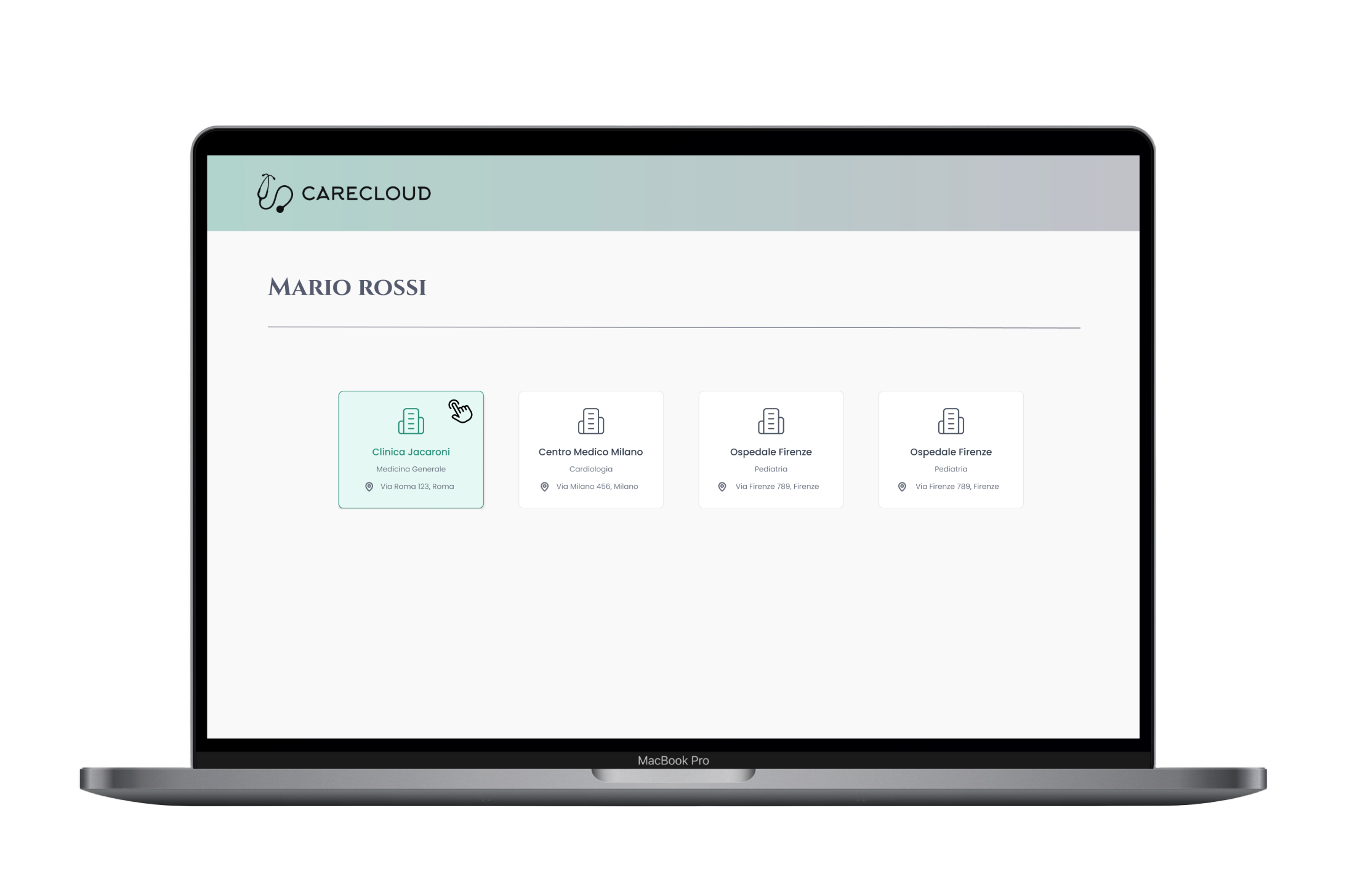
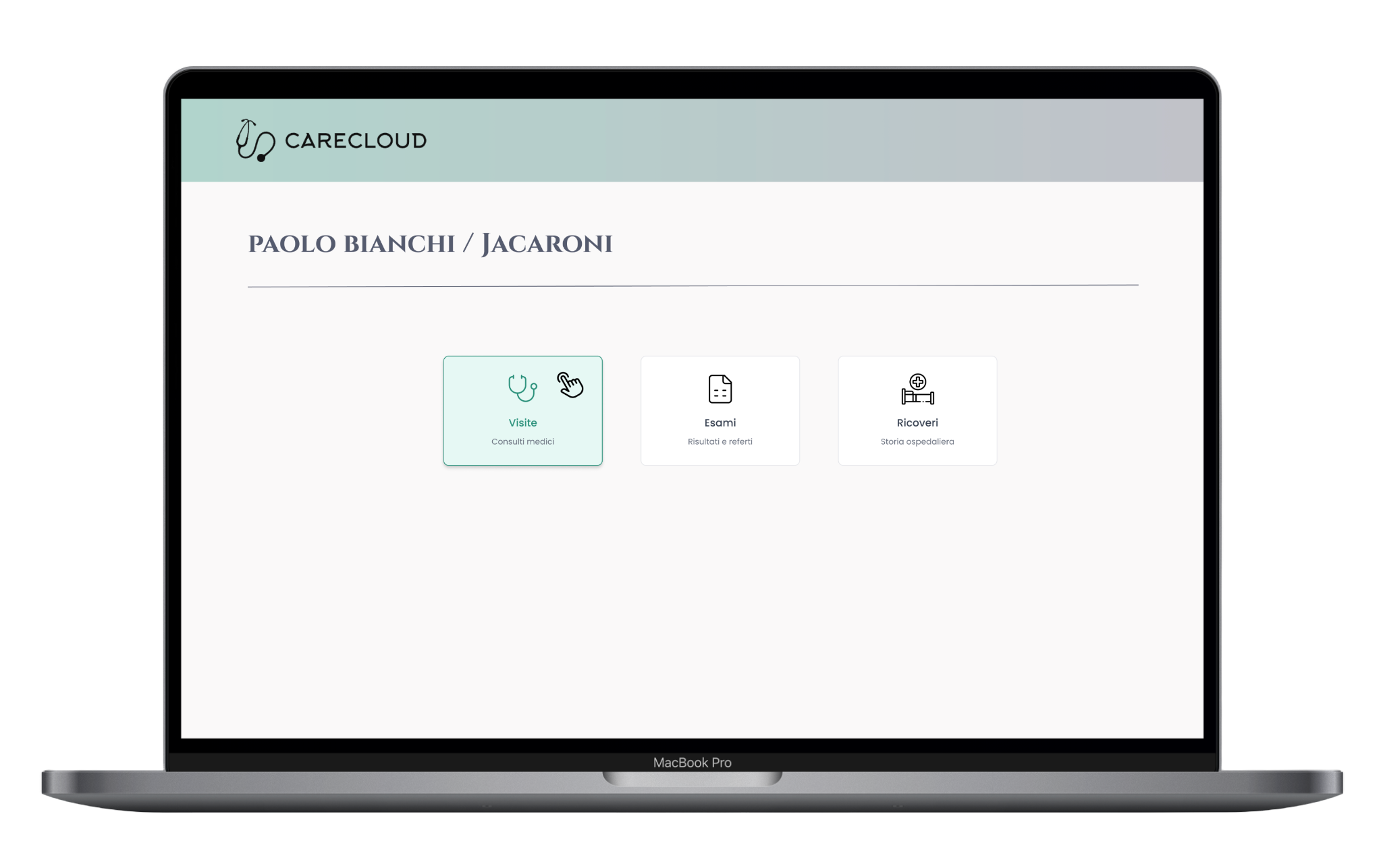
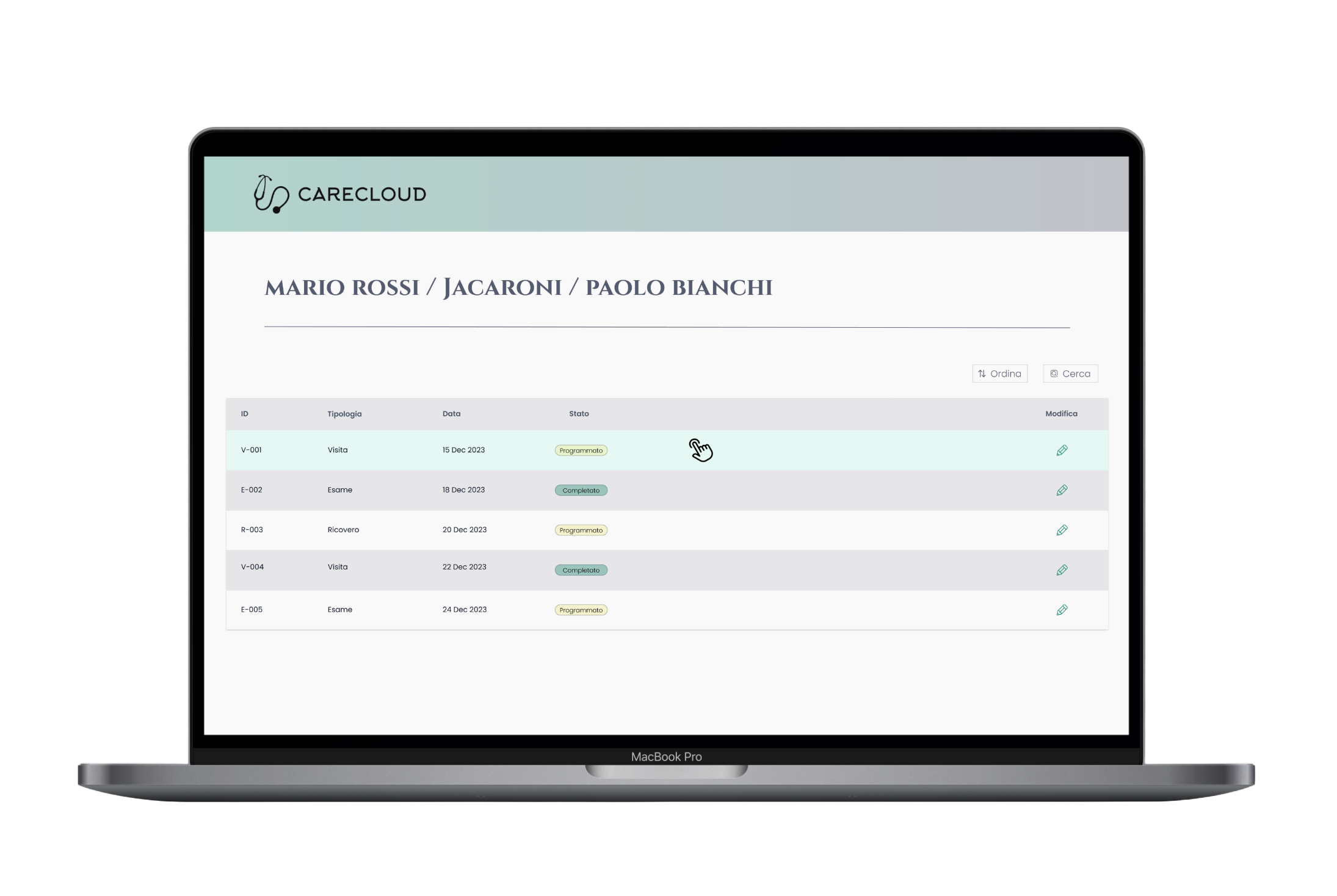
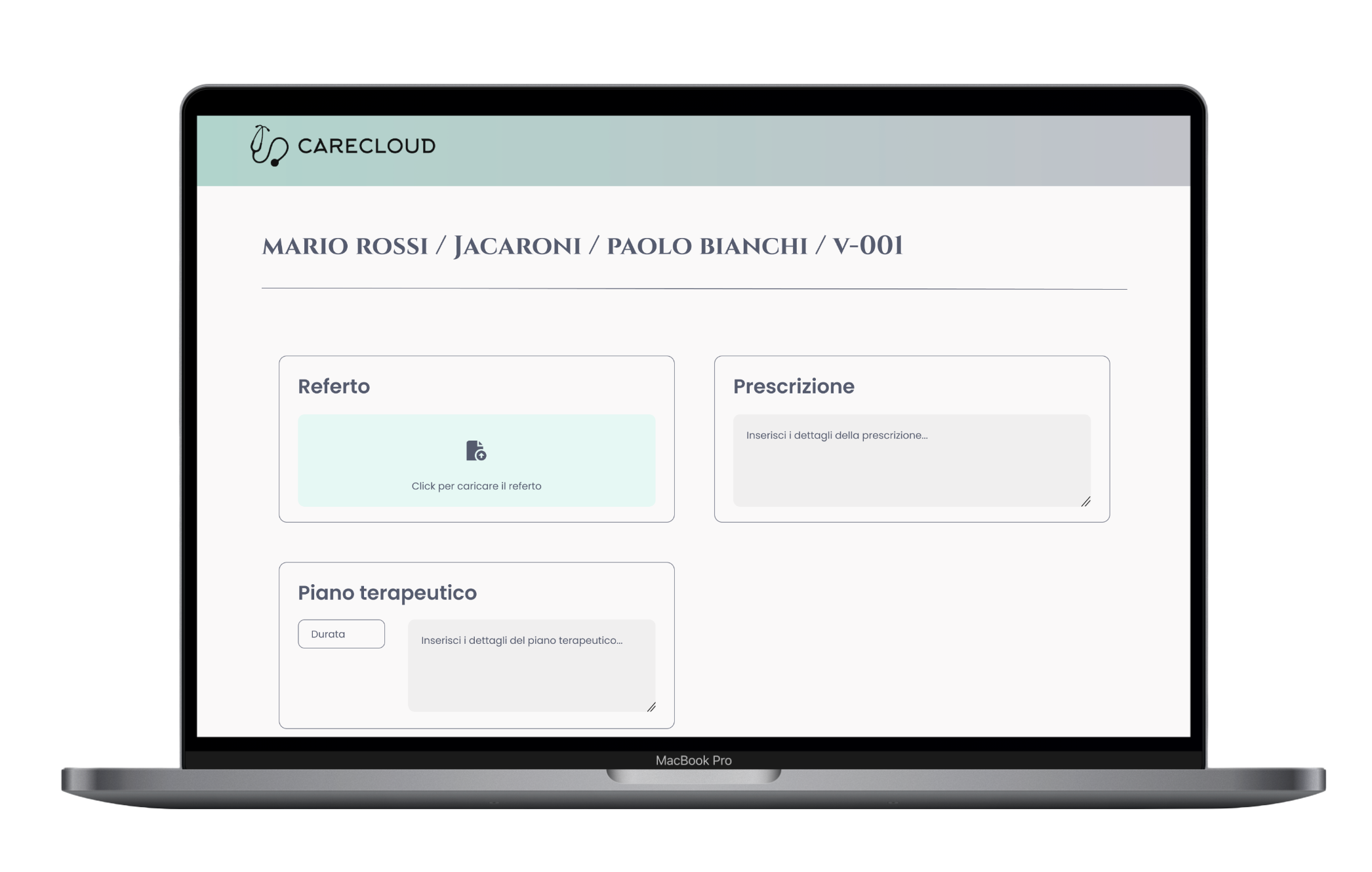
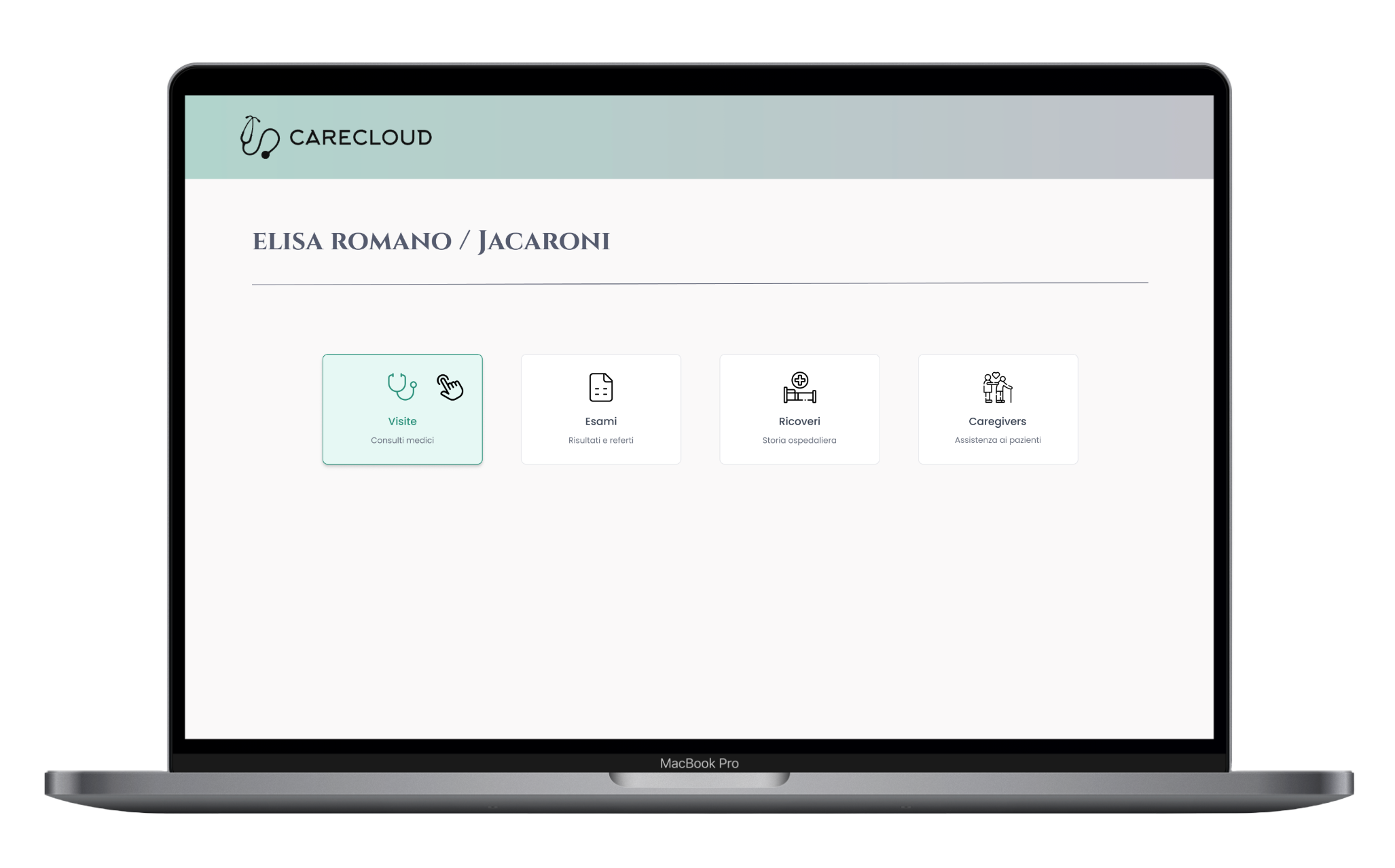
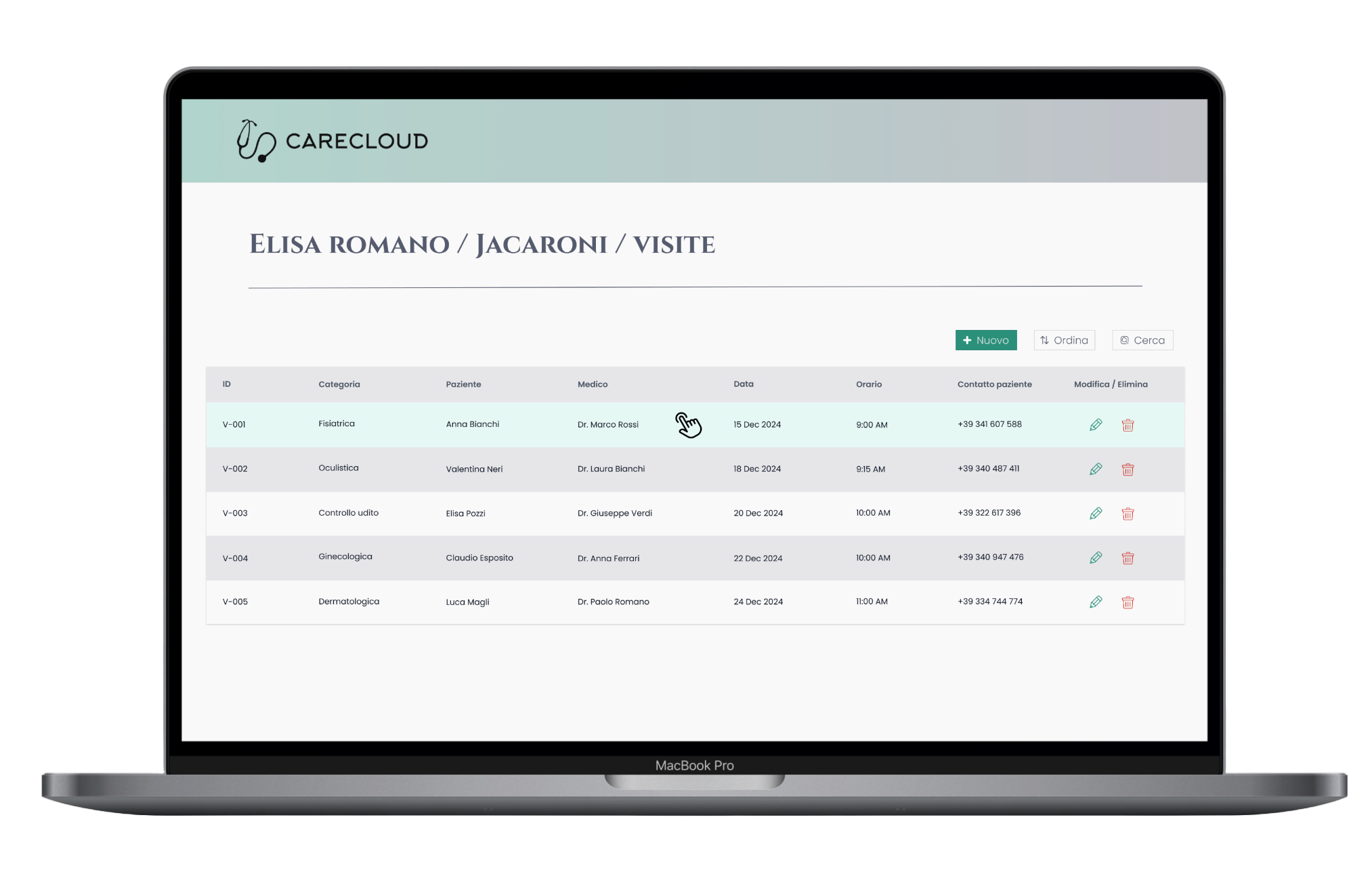
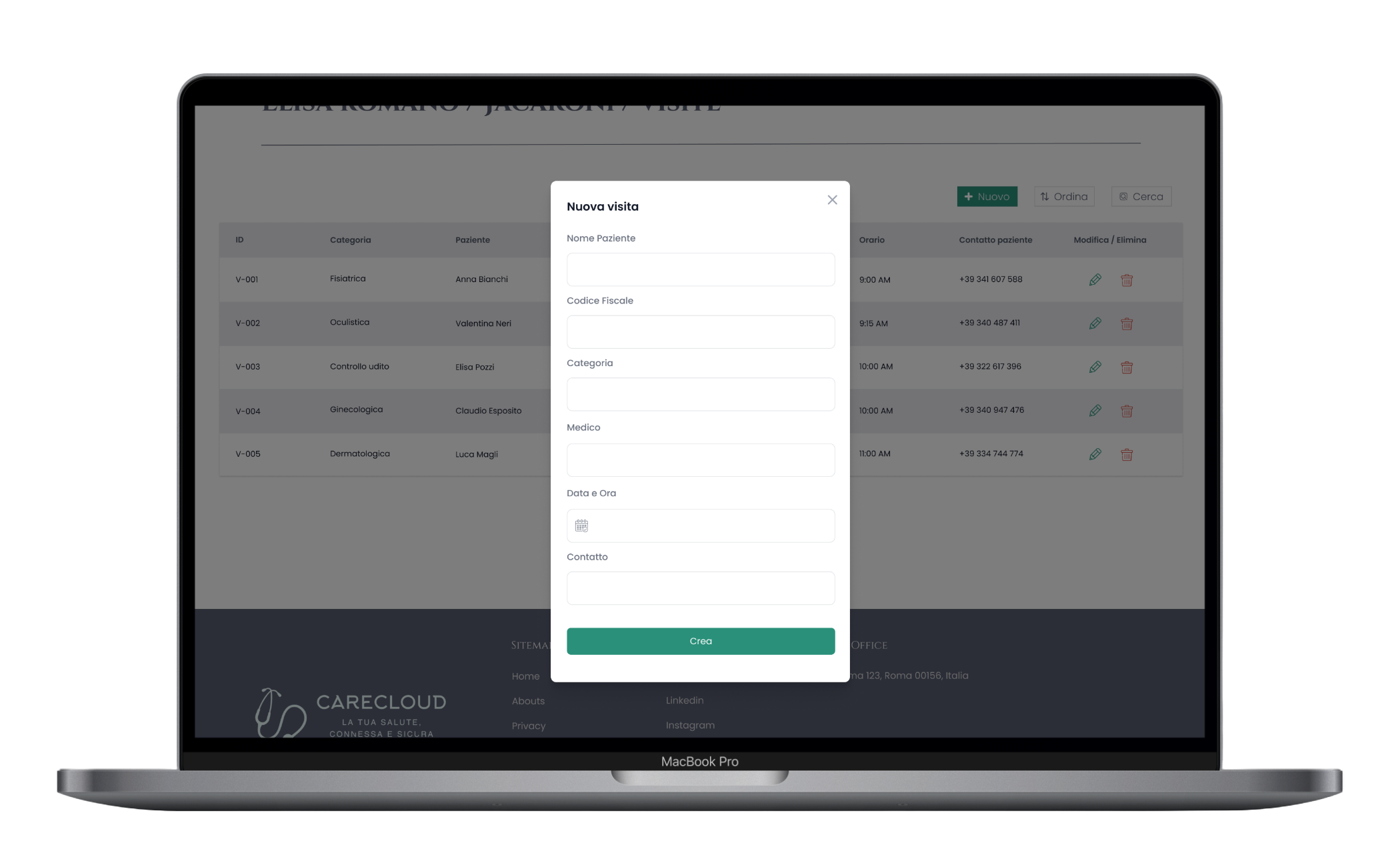
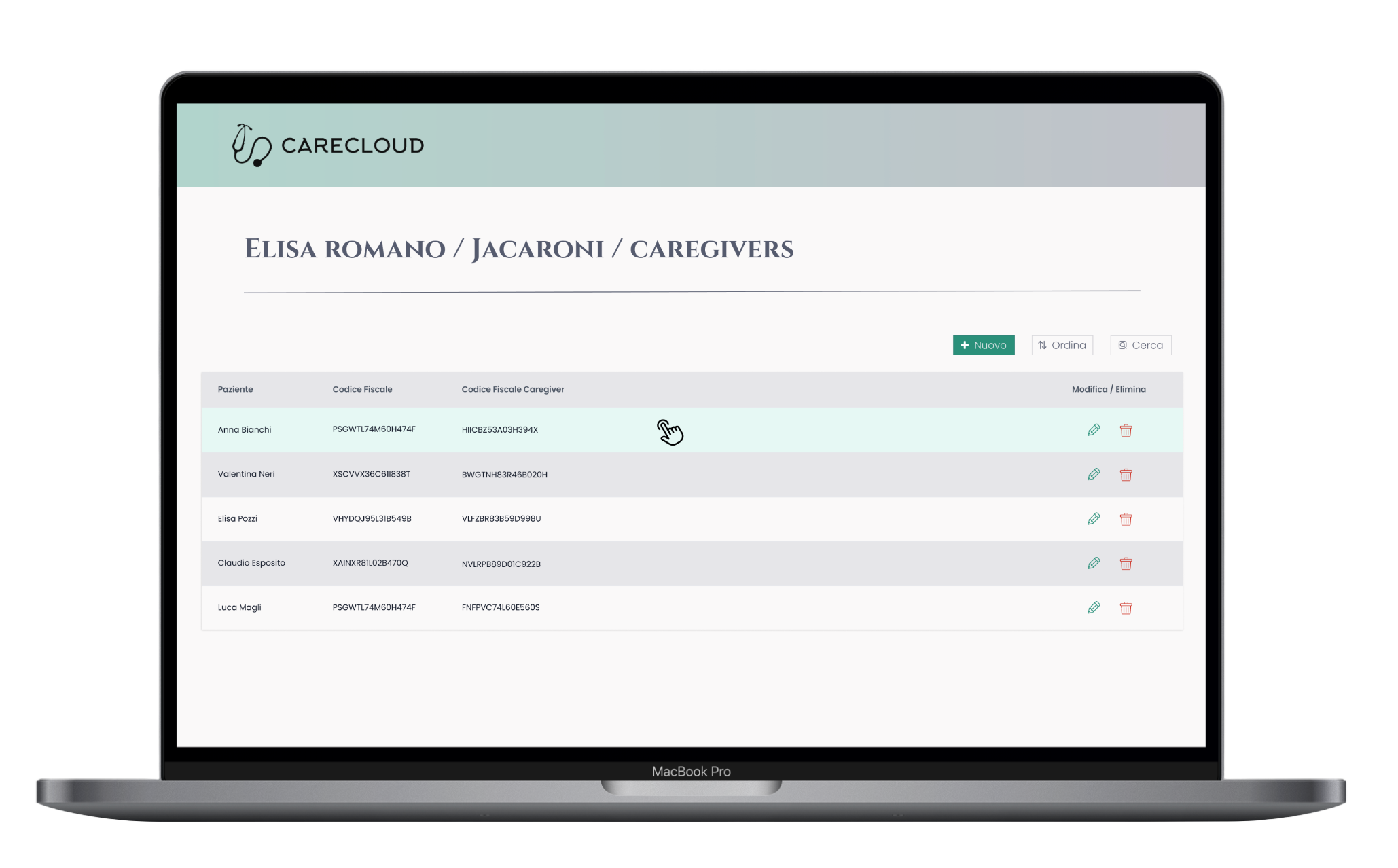
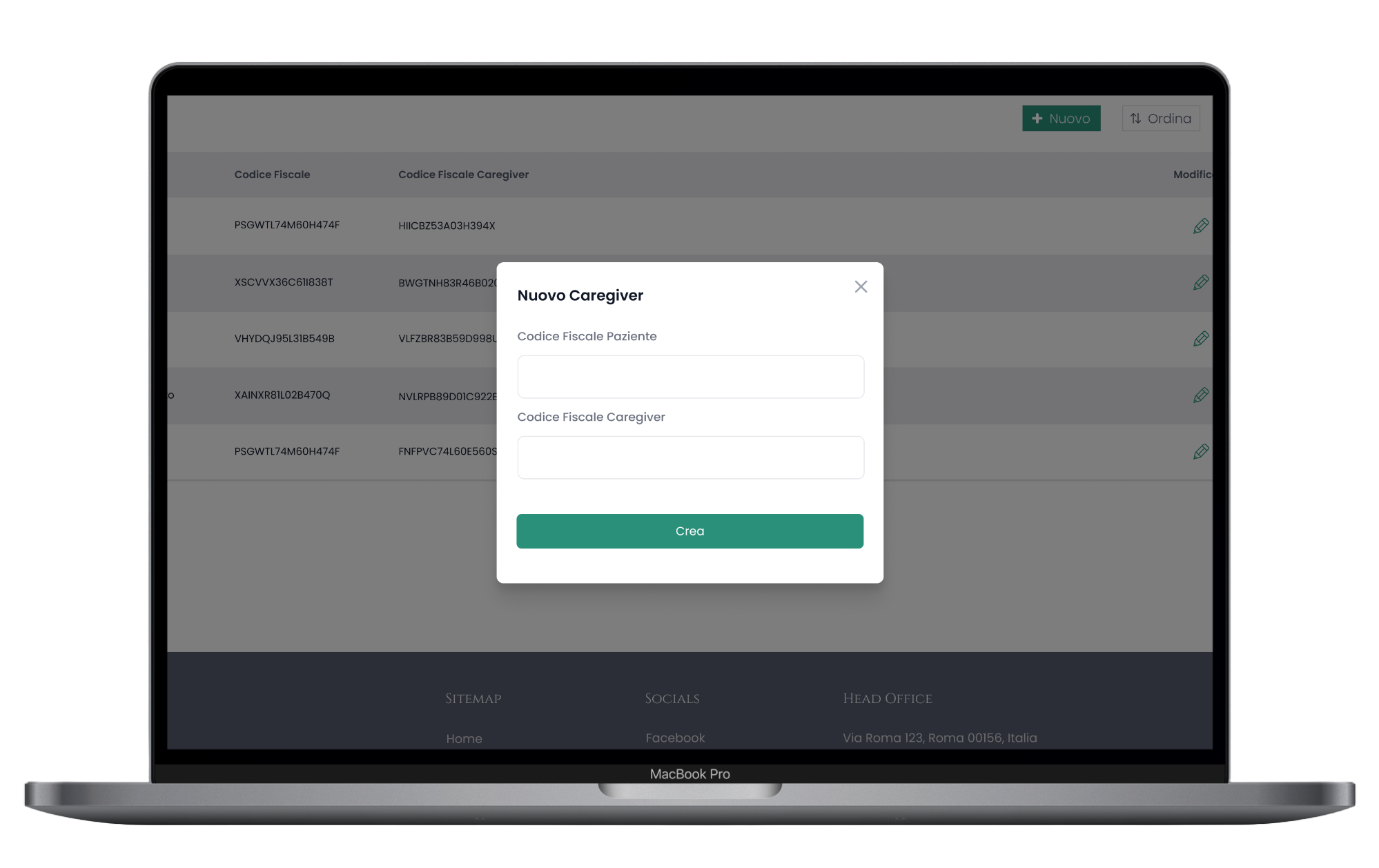
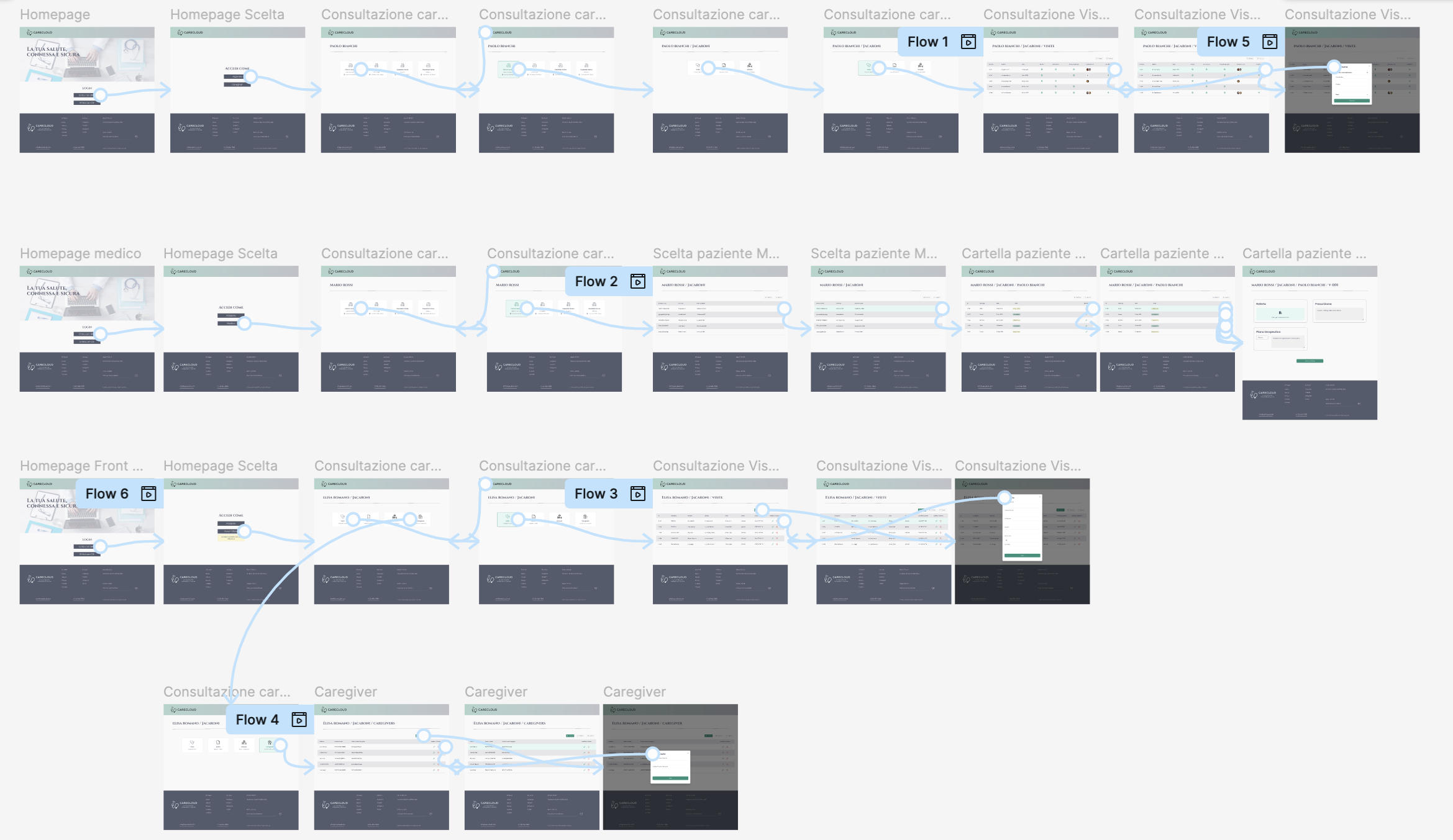
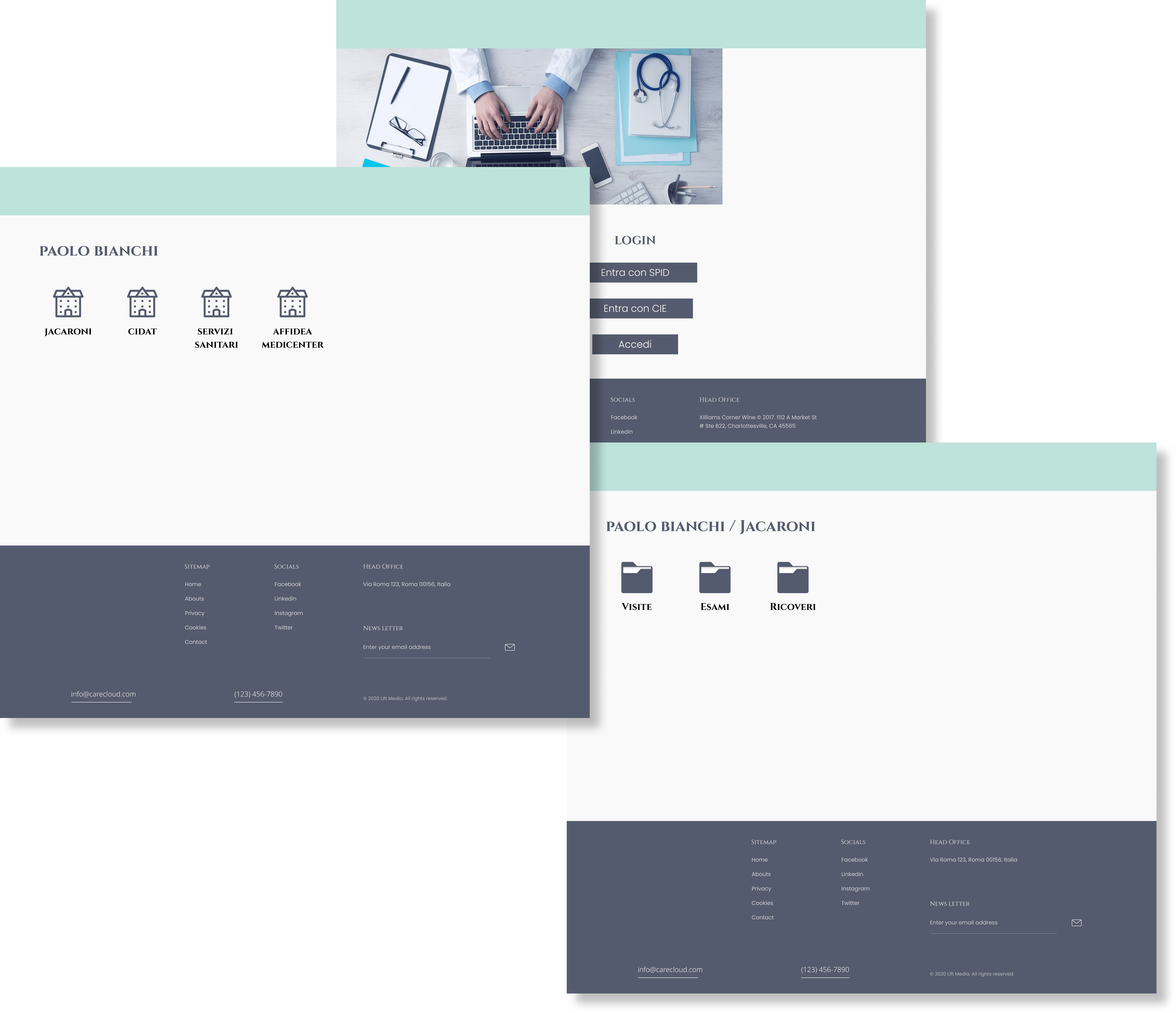
This project is a SaaS-based digital medical record platform designed to simplify managing patient health information. It streamlines access to clinical data, enables secure sharing among authorized personnel, and supports continuous patient consultation, all while maintaining full compliance with data protection regulations.
The goal
The development of an Electronic Medical Record system based on a Software as a Service (SaaS) architecture will enable patients’ medical records to be created and managed digitally, allow them to be consulted continuously, provide secure and controlled access to information for authorized personnel, facilitate efficient data sharing among the providers involved, and ensure full compliance with data protection regulations (GDPR).
The problem
Currently, in many healthcare facilities, patient records are predominantly managed through paper-based or non-integrated digital systems, resulting in slow and difficult access to clinical information for both patients and healthcare professionals, increased risk of data loss or damage, inefficient sharing of information among medical staff, a higher likelihood of errors due to incomplete or outdated data, and greater challenges in ensuring privacy protection and regulatory compliance.
User Research
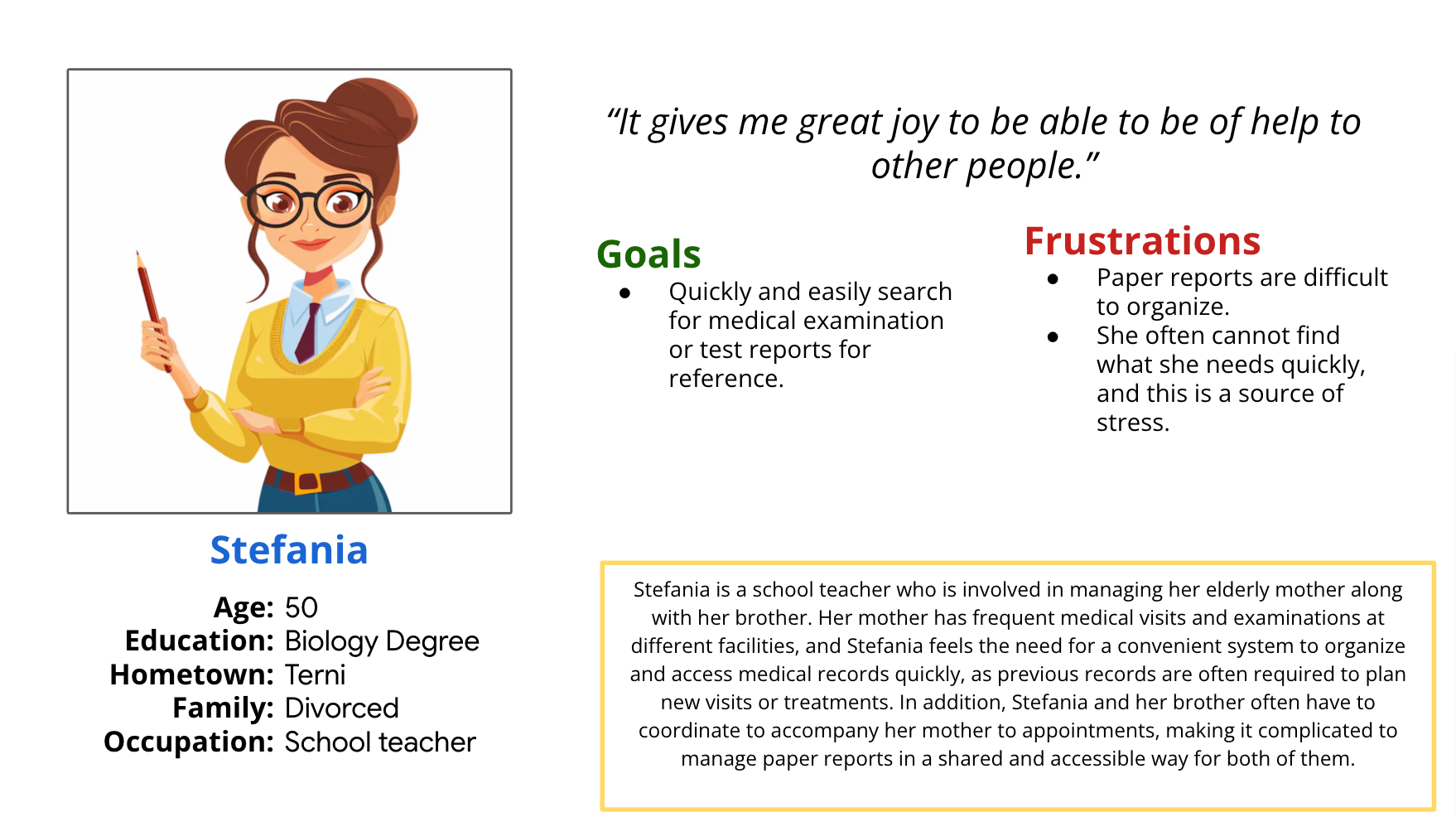
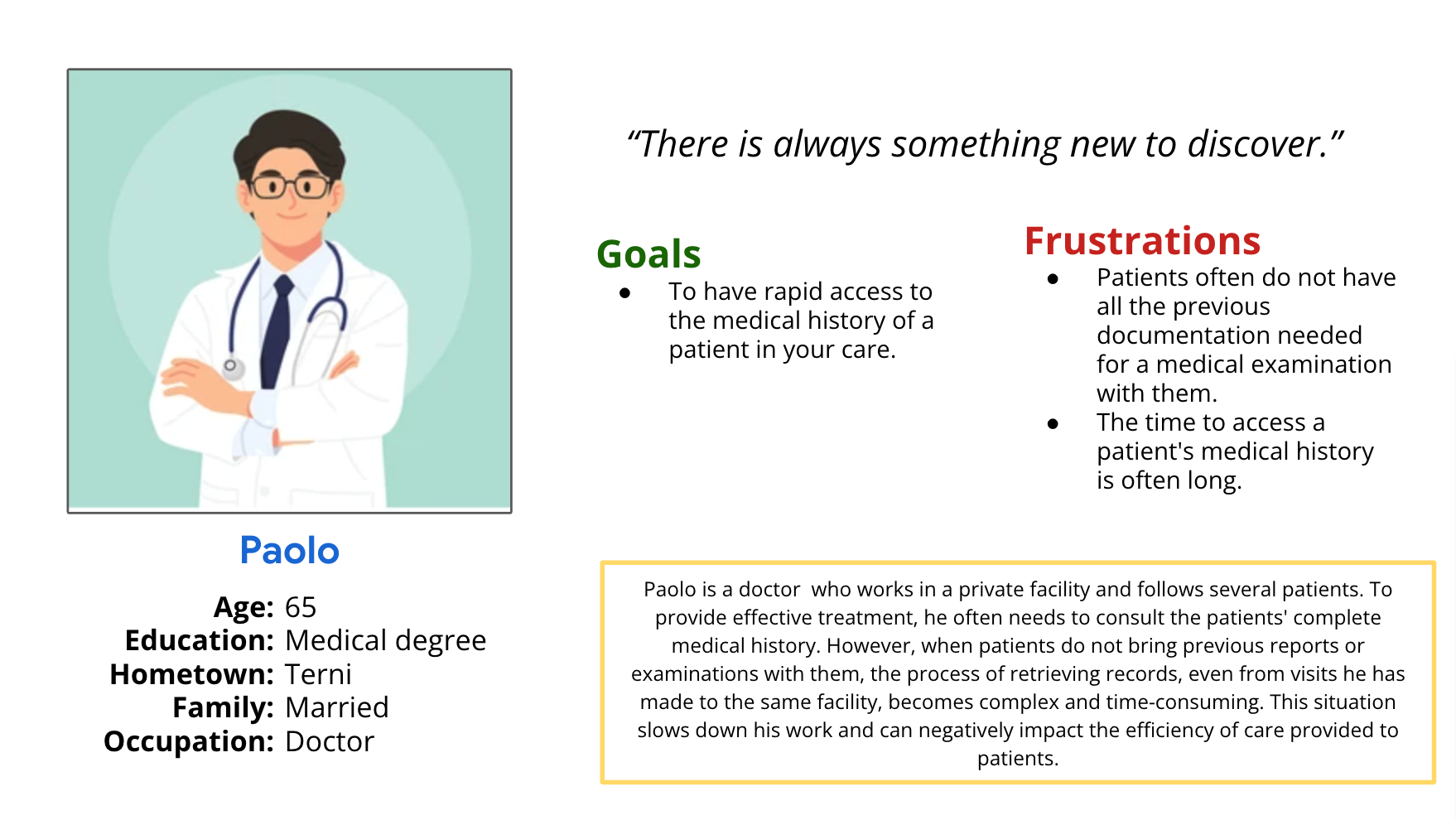
Before beginning the design process, we conducted a series of semi-structured interviews and contextual inquiries with both caregivers (like Stefania) and doctors (like Paolo). Initially, we assumed that caregivers would struggle primarily with accessing digital records remotely; however, our research revealed that Stefania’s bigger challenge was the cumbersome process of finding and organizing scattered paper records. Having a digital solution not only simplified her access to important documents but also made it far easier to coordinate with her brother. In turn, for doctors, while we expected quick retrieval of past exams to be the main concern, we discovered that they actually needed more complete patient overviews for better care decisions. These insights led us to refine our solution’s information architecture, emphasizing straightforward record digitization, seamless sharing, and a comprehensive medical history view.
Personas
The Product
Mockups evolution
Prototype